.svg)


.svg)
You made it through the holiday office parties, family gatherings, and endless toasts to the new year. Now you're staring at January with a nagging question: what did all that drinking actually do to your body, specifically your testosterone?
If you're considering Dry January, you're not just joining a wellness trend. You're giving your hormones a chance to recover from one of the most potent disruptors in men's health: alcohol. The relationship between what you drink and your testosterone levels is more significant than most men realize, and the benefits of going alcohol-free extend far beyond feeling less hungover.
Let's explore what really happens to men's hormones when you put down the glass, and why this might be the reset your body desperately needs.
The Real Effects of Alcohol on Testosterone
Here's the uncomfortable truth: alcohol consumption is directly associated with testosterone deficiency in men. The research shows that alcohol impacts men's hormone health across consumption levels, though the severity increases with quantity and frequency.
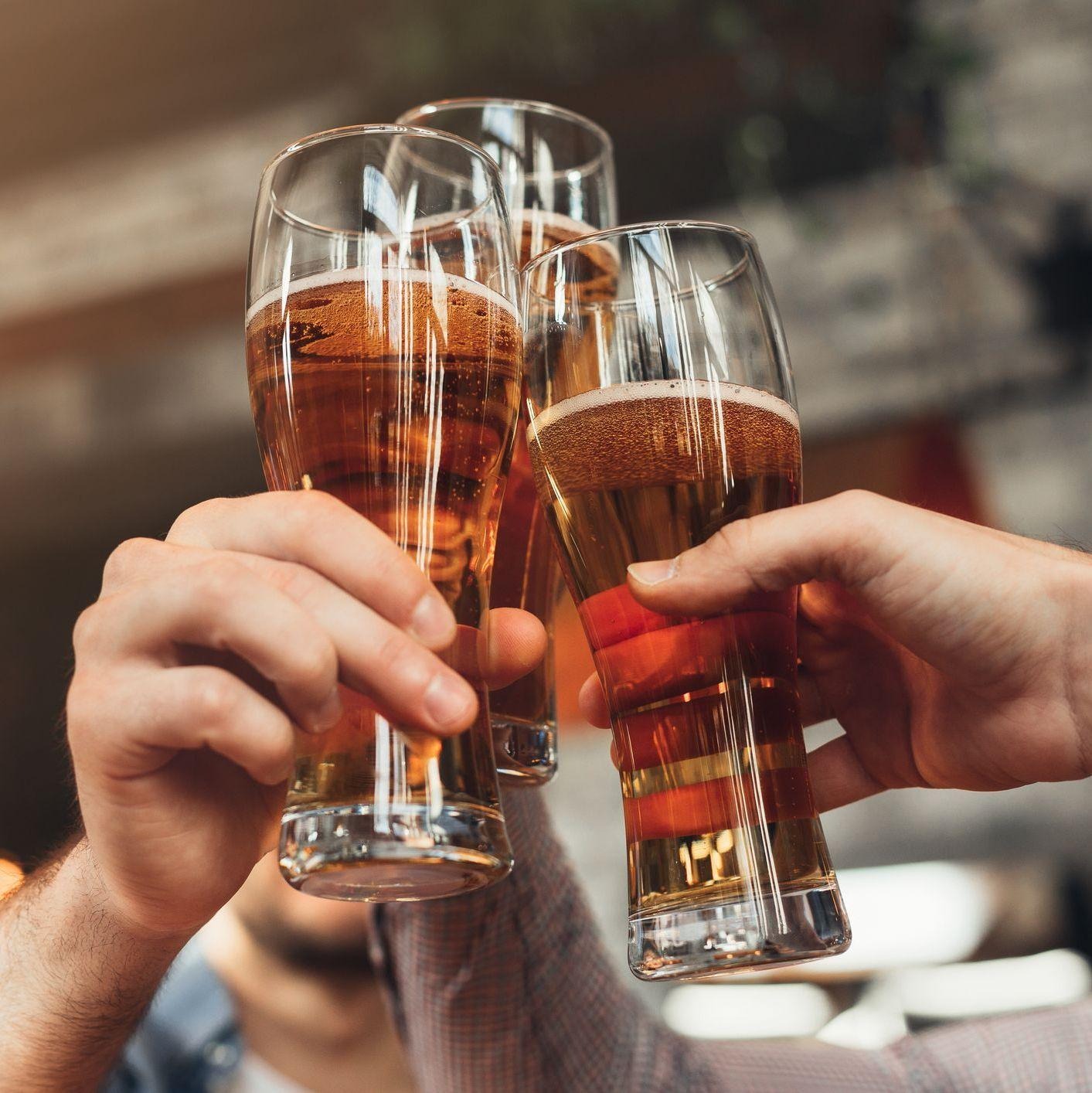
Alcohol interferes with testosterone production through multiple pathways:
- It damages the Leydig cells in your testes, which are responsible for testosterone synthesis.
- It disrupts the hypothalamic-pituitary-gonadal axis, which is the communication system that regulates hormone production.
- It increases the activity of aromatase, an enzyme that converts testosterone into estrogen.
The result? Decreased testosterone and elevated estrogen, which is the opposite of what you want for optimal men's health.
The holiday season compounds this problem. When you're drinking more frequently, sleeping poorly, and managing higher stress levels, you create a perfect storm for hormonal disruption.
How Alcohol Sabotages Your Sleep (and Your Hormones)

You might think that a nightcap helps you sleep better. You're wrong. Alcohol significantly disrupts sleep architecture, particularly REM sleep, which is crucial for testosterone production. While alcohol may help you fall asleep faster, it fragments your sleep throughout the night and reduces sleep quality.
This matters enormously for men with low testosterone. Most testosterone is produced during sleep, particularly during deep sleep cycles. When alcohol disrupts these cycles, it directly interferes with overnight testosterone synthesis.
The relationship between alcohol and sleep creates a vicious cycle: poor sleep lowers testosterone, and chronic drinking ensures you continue getting poor sleep.
During Dry January, many people report dramatic improvements in sleep quality. Deeper sleep, fewer wake-ups, and more restorative rest translate directly into better hormonal function.
This is one of the fastest ways to recover energy after holiday drinking, simply by allowing your body to sleep properly again.
How Stress, Alcohol and Testosterone are Connected
Chronic alcohol consumption is connected with higher stress levels, creating another pathway to hormonal disruption. Alcohol activates your body's stress response system, elevating cortisol levels. When chronic stress causes elevated levels of cortisol in the long term, testosterone typically goes down.
Here's where it gets complicated: many men drink to manage stress, but alcohol actually increases stress and anxiety over time.
You might feel temporary relief, but chronic consumption dysregulates your stress response system, making you more reactive to stressors and less capable of managing them effectively. This testosterone stress connection means that every drink aimed at "taking the edge off" may actually be making your hormonal and mental health worse.
If you participate in Dry January and go a month without alcohol, your stress response system begins to recalibrate. Cortisol levels may normalize, your body becomes more resilient to stressors, and testosterone has a better environment for optimal production.
Reducing Alcohol Belly Fat and Its Hormonal Impact
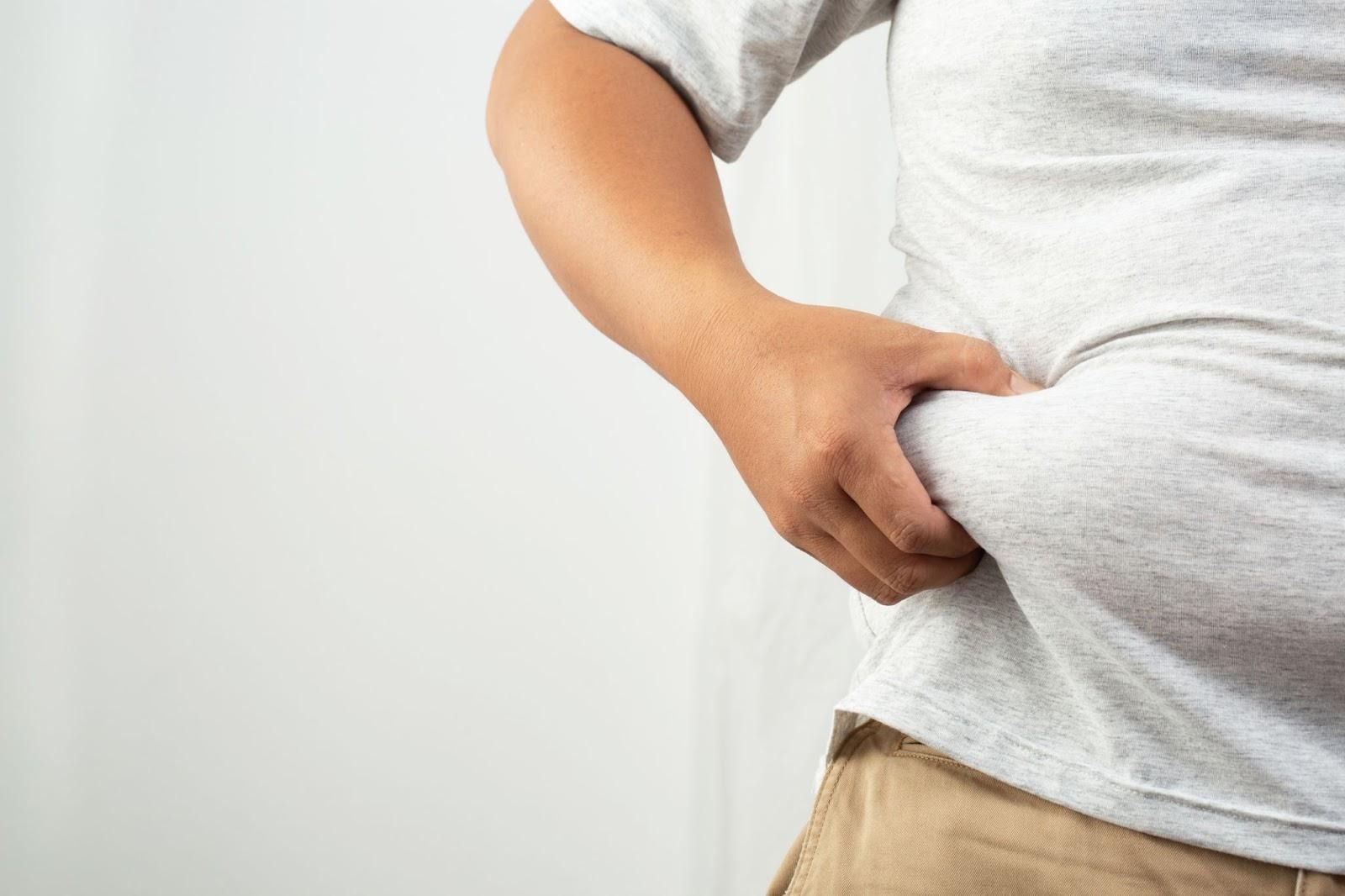
That beer gut isn't just an aesthetic issue; it's a hormonal problem. Alcohol contributes to visceral fat accumulation, the deep abdominal fat that's metabolically active and particularly harmful. This fat tissue contains high levels of aromatase, the enzyme that converts testosterone to estrogen.
The more alcohol belly fat you carry, the more testosterone gets converted to estrogen, creating a self-perpetuating cycle of hormonal imbalance. Excess visceral fat also promotes insulin resistance and inflammation, both of which further suppress testosterone production.
For many men, Dry January may result in a noticeable reduction in belly fat, which creates a more favorable environment for healthy testosterone levels. However, it’s important to note that if you start drinking again, that belly fat may quickly return.
Beyond Dry January: Sustainable Approaches to Alcohol
The real value of Dry January isn't just the 31 days; it's the insights you gain about your relationship with alcohol and how it affects your body. What you do after January ends matters enormously.
Consider these questions as you decide your path forward:
How did you feel? Compare your energy, sleep quality, mood, and physical state during Dry January versus your typical baseline. This self-assessment provides valuable information about alcohol's impact on your specific body.
What role does alcohol play in your life? If you found yourself reaching for a drink primarily during stressful moments, at social events, or out of habit rather than genuine enjoyment, that's worth examining.
What patterns serve you? Some men find that reducing frequency works well—drinking less often but still enjoying occasional drinks. Others discover they feel significantly better with minimal or no alcohol consumption.
What alternatives work? If you discovered satisfying alcohol-free beer, social activities that don't center on drinking, or stress management techniques that work better than alcohol, continue building on those discoveries.
There's no universal "right answer.” The goal is to make informed, conscious decisions based on how your body responds rather than defaulting to habits that may not serve your health goals.
Get Clarity on Your Hormonal Health
Taking a month off from alcohol removes one significant variable affecting your hormones, sleep, stress response, and overall health. For many men, this experiment provides clarity about the role alcohol plays in how they feel day-to-day and in the long term.
If you've been experiencing symptoms commonly associated with low testosterone, such as persistent fatigue, brain fog, decreased libido, or difficulty maintaining muscle mass, ask your doctor to measure your hormone levels at your next appointment.
Want to stay informed about the latest in men’s health and testosterone research? Sign up for our newsletter today.


