.svg)


.svg)
The alarm goes off in darkness. You commute to work in darkness. You leave the office in, you guessed it, darkness. By the time spring arrives, you've spent months living like a nocturnal creature, and you feel every bit of it: sluggish, unmotivated, mentally foggy, and physically depleted.
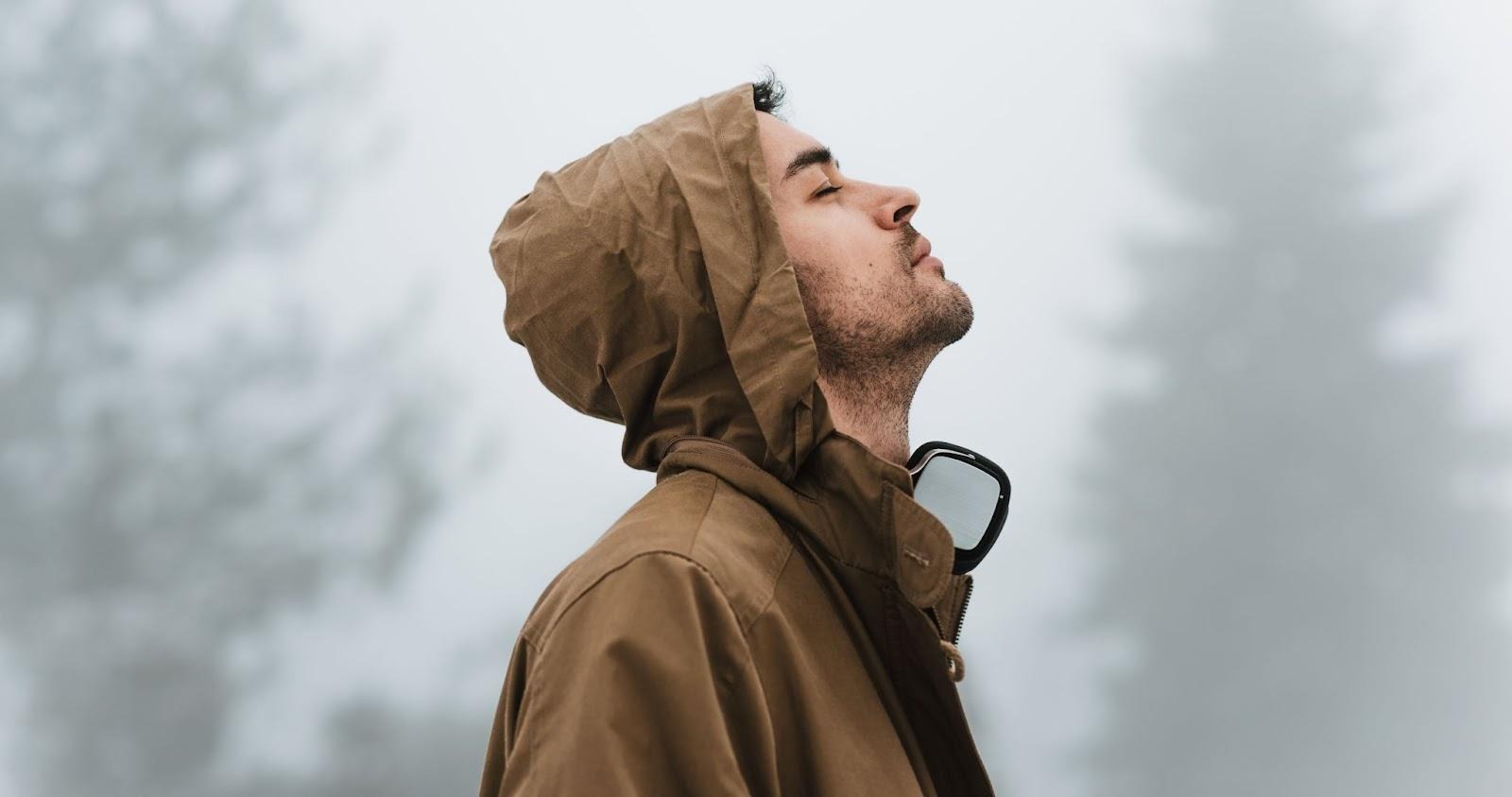
If you're feeling particularly drained this winter, your testosterone levels might be suffering from something surprisingly simple: lack of sunlight exposure. The connection between sunlight and testosterone is more profound than most men realize, and winter's shorter days create a perfect storm for hormonal decline.
However, you can hack your way out of this seasonal slump with strategic sunlight exposure, even during the coldest, darkest months of the year.
The Sunlight-Testosterone Connection You Need to Know
Here's what's happening beneath the surface: sunlight exposure triggers vitamin D production in your skin, and vitamin D plays a crucial role in testosterone production. When ultraviolet B (UVB) rays hit your skin, they convert 7-dehydrocholesterol into vitamin D3, which your body then processes into its active form.
The testosterone connection is direct and measurable. Research shows a significant association between vitamin D deficiency and low testosterone levels in adult males. This isn't just correlation. Vitamin D receptors are present in testicular tissue, suggesting that vitamin D may directly influence testosterone synthesis at the source.
Shorter days mean less available sunlight. Lower sun angles mean weaker UVB penetration. Cold weather means more covered skin. The result? Vitamin D deficiency becomes epidemic during the winter months, and men's testosterone levels may follow suit.
Why Vitamin D Deficiency Affects Your Testosterone
Vitamin D deficiency is remarkably common, affecting an estimated one billion people worldwide. For men concerned about optimal testosterone, this statistic should be alarming.
The relationship between vitamin D deficiency and low T is well-established in research, with deficient men showing significantly lower testosterone levels compared to men with adequate vitamin D status.

What makes this particularly insidious is that vitamin D deficiency often presents with vague symptoms that overlap with low testosterone: fatigue, decreased motivation, mood changes, reduced muscle strength, and poor recovery from exercise. You might attribute these symptoms to aging, stress, or simply "winter blues" when the underlying issue may be a correctable nutritional or hormonal deficiency.
The Best Time to Get Sunlight for Testosterone
Timing matters enormously when it comes to capturing sunlight's testosterone-boosting benefits. The best time to get sunlight for vitamin D production is when the sun is highest in the sky, typically between 10 AM and 3 PM, when UVB rays are most intense and can penetrate the atmosphere most effectively.
However, here's the winter complication: during winter months, particularly at higher latitudes, UVB radiation may be insufficient for adequate vitamin D synthesis even during midday hours. If you live above 37 degrees latitude (roughly the latitude of San Francisco, St. Louis, or Richmond), winter sun exposure may produce minimal vitamin D regardless of timing.
This doesn't mean winter sunlight is worthless. It still provides other benefits, including circadian rhythm regulation and mood support. But it does mean that the best time to get vitamin D from the sun in winter requires both optimal timing (midday) and realistic expectations about what's actually achievable through sunlight alone.
Your Morning Sunlight Routine for Testosterone

Despite winter's limitations, establishing a morning sunlight routine remains valuable for men's health, particularly for men in their 40s and beyond.
Here's why: morning sunlight exposure helps regulate your circadian rhythm, which directly impacts sleep quality. Better sleep means better testosterone production, since most testosterone synthesis occurs during deep sleep cycles.
A morning sunlight routine for testosterone doesn't need to be complicated:
- Get outside within 30-60 minutes of waking. Even on overcast days, outdoor light is significantly brighter than indoor lighting. This helps signal to your brain that it's daytime, supporting your natural cortisol awakening response and setting up your sleep-wake cycle for the day.
- Aim for 10-30 minutes of exposure. You don't need hours. Brief but consistent exposure is more valuable than occasional lengthy sessions. Remove sunglasses if possible, as light entering through your eyes contributes to circadian regulation.
- Combine it with movement. January morning walks serve double duty: you get sunlight exposure while engaging in physical activity that supports testosterone.
- Expose as much skin as weather permits. Obviously, winter limits this considerably. But on milder days, roll up your sleeves or choose lighter layers that allow some sun exposure to your forearms and face.
Beyond Sunlight: Supplementation and Testing
Increasing testosterone naturally through sunlight alone during winter is challenging, if not impossible, particularly in northern climates. This is where vitamin D supplementation enters the conversation.

Given vitamin D's role in testosterone production and the widespread prevalence of deficiency, supplementation during winter months makes sense for most men, especially those over 40. However, supplementation should be informed by testing rather than guessing.
Before starting supplementation, consider getting your vitamin D levels tested. This provides a baseline and helps determine appropriate dosing. Many men are surprised to discover they're deficient even during summer months, which suggests their sun exposure strategies or skin's vitamin D production capacity may be insufficient year-round.
Typical vitamin D3 supplementation ranges from 2,000 to 5,000 IU daily, though some men require higher doses to achieve optimal levels. Work with your healthcare provider to determine the right approach for your situation.
Take a Look at Your Testosterone Levels
Winter fatigue, reduced motivation, and decreased libido might be seasonal and correctable through better sunlight exposure and vitamin D optimization. Or they might signal clinically low testosterone requiring medical evaluation. The only way to know is through testing.
If you're experiencing symptoms commonly associated with low testosterone (persistent fatigue, difficulty building or maintaining muscle mass, reduced sex drive, mental fog, or mood changes), talk to your doctor about comprehensive hormone testing. Understanding your actual testosterone levels and vitamin D status transforms speculation into actionable information.
Benefits of vitamin D for testosterone may be real, but they're not magic. Some men will see significant improvements from better sun exposure and vitamin D optimization. Others will need additional interventions. Testing provides the clarity needed to make informed decisions about your health.
Winter doesn't have to mean accepting hormonal decline as inevitable. With strategic sunlight exposure, appropriate supplementation when needed, and attention to the full spectrum of lifestyle factors affecting testosterone, you can maintain vitality even during the darkest months.
Learn more about men's hormone health and comprehensive testing options by speaking with your healthcare provider.
Want to learn more about testosterone’s role in men’s health? Sign up for our newsletter for expert tips and insights.


