.svg)


.svg)
March is National Nutrition Month, and this year brings something unprecedented: the federal government has officially acknowledged the role of diet in supporting testosterone health. Health Secretary Robert F. Kennedy Jr. recently revised The Scientific Foundation for the Dietary Guidelines for Americans, 2025–2030, which includes a groundbreaking new section on "supporting testosterone health in men." For the first time, mainstream nutrition policy recognizes what many men with low testosterone already suspected: what you eat directly impacts your hormone levels.

We now have clear, science-backed guidance on which dietary approaches actually work for testosterone optimization. The updated Dietary Guidelines for Americans, combined with rigorous clinical research, finally provide answers to questions men have been asking for years: Should you cut fat? Load up on protein? Avoid carbs? Here's what the latest evidence tells us about raising testosterone through diet and which approaches deliver real results.
The Low-Fat Diet Myth
For decades, low-fat diets dominated nutrition recommendations. But when it comes to testosterone, cutting fat might be the worst thing you can do.
A large 2020 study examining over 3,000 American men found that those following a low-fat diet had significantly lower testosterone levels than men following a Mediterranean diet.
So dietary fat is essential for testosterone production. But here's where it gets interesting: the type and timing of fat intake matter just as much as the amount. Research on overweight and obese men showed that consuming polyunsaturated fats (PUFA) and monounsaturated fats (MUFA) significantly reduced testosterone production over just five hours after eating. In fact, PUFA decreased testosterone levels by 3.2 nmol/L within just one hour, and this suppression remained significant for up to five hours after the meal.
This explains why men can experience low testosterone on both very low-fat diets and diets loaded with certain types of fats. Your body needs adequate dietary fat to produce testosterone, but flooding your system with large amounts of polyunsaturated or monounsaturated fats in a single sitting temporarily disrupts that production.
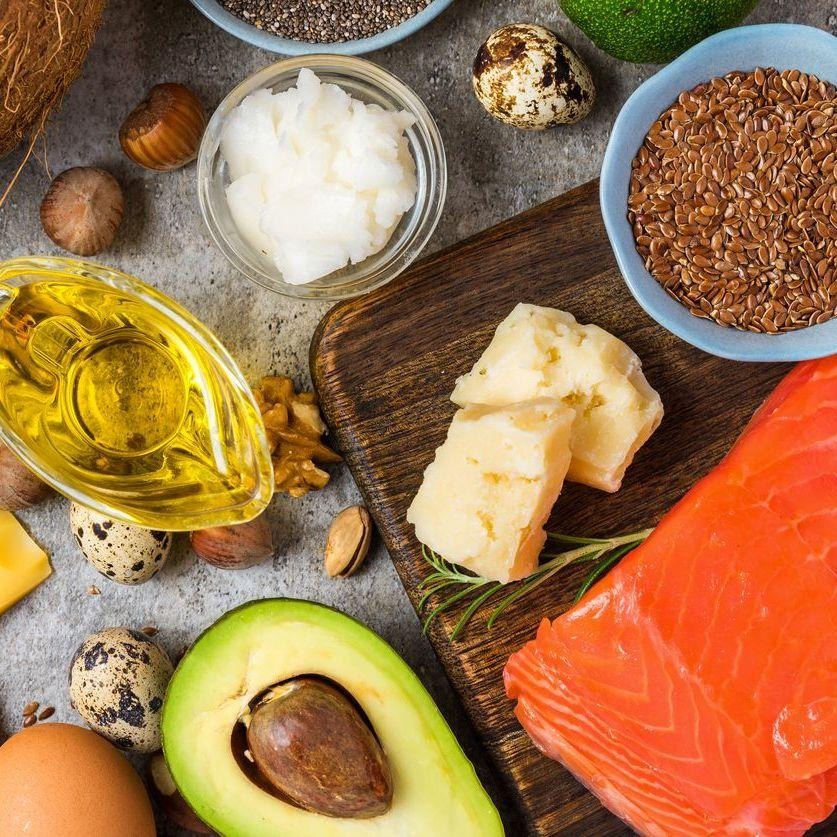
The new Dietary Guidelines reflect this nuanced understanding. Rather than focusing on fat percentages, they emphasize healthy fats naturally present in whole foods:
- Meats
- Poultry
- Eggs
- Omega-3-rich seafood
- Nuts and seeds
- Full-fat dairy
- Olives
- Avocados
When cooking, prioritize oils with essential fatty acids, such as olive oil, or traditional options like butter or beef tallow. The key is incorporating fats as part of complete, nutrient-dense meals rather than consuming them in isolation or avoiding them altogether.
Protein Intake for Testosterone
The same study on overweight men and macronutrients found that while fats suppressed testosterone, egg albumin (protein) actually increased testosterone levels. The researchers concluded that men wishing to optimize their testosterone levels should consider focusing on protein while avoiding high-fat intake.
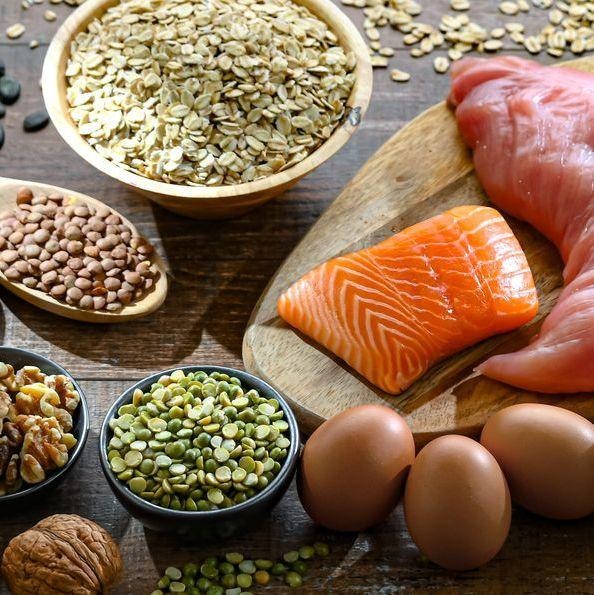
The new Dietary Guidelines recognize this, recommending 1.2 to 1.6 grams of protein per kilogram of body weight per day. For a 180-pound man, that's roughly 98 to 131 grams of protein daily. The guidelines emphasize consuming a variety of protein foods from animal sources, including eggs, poultry, seafood, and red meat, as well as plant-sourced proteins like beans, peas, lentils, legumes, nuts, seeds, and soy.
Quality protein sources provide not just amino acids but also crucial micronutrients that support hormone production.
Daily Carbohydrate Intake for Men
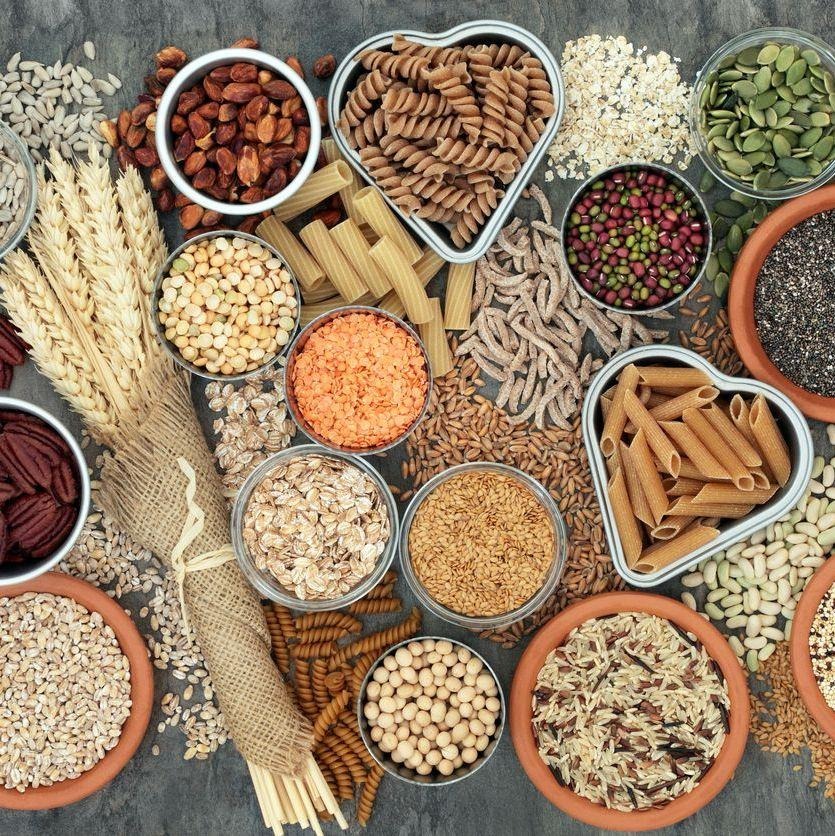
Carbohydrates have become controversial in men's health circles, but the research tells an interesting story. The same macronutrient study found that refined carbohydrates alone had little effect on testosterone levels, suggesting that the problem isn't carbs themselves but rather the type and quality of carbohydrates consumed.
Low-quality carbohydrates, when considered together with added sugars, fruit juices, and processed potato products like French fries and potato chips, account for a large portion of all carbohydrates consumed in the United States. This matters for testosterone because these refined, processed carbs contribute to weight gain and insulin resistance, both of which suppress testosterone production.
The guidelines now emphasize prioritizing fiber-rich whole grains while significantly reducing consumption of highly processed, refined carbohydrates such as white bread, ready-to-eat or packaged breakfast options, flour tortillas, and crackers.
The recommended daily carbohydrate intake is 2 to 4 servings of whole grains per day, adjusting based on individual caloric requirements.
Zinc and Other Supplements
When discussing increasing testosterone naturally through nutrition, supplements inevitably come up.
A comprehensive 2022 review examining nonpharmacological interventions for testosterone management found that only a select few supplements showed promising results in well-controlled trials.
Zinc and testosterone have a well-established connection, as zinc plays a crucial role in testosterone production. However, supplementation only helps if you're actually deficient. The same applies to vitamin D.
Critically, the review emphasized that before implementing any supplemental agents, adequate sleep, exercise, and weight loss in patients with obesity are imperative. In other words, no supplement can compensate for poor lifestyle fundamentals.
What Actually Works: Practical Nutrition for Low T
Based on the research and new federal guidelines, here's what a testosterone-supporting diet actually looks like:
- Prioritize protein at every meal. Aim for 1.2 to 1.6 grams per kilogram of body weight daily from quality sources like eggs, meat, seafood, and dairy.
- Don't fear fat, but choose wisely. Include healthy fats from whole foods. Full-fat dairy is specifically recommended in the new guidelines: three servings per day as part of a 2,000-calorie dietary pattern.
- Focus on carb quality, not elimination. Dramatically reduce highly processed, refined carbohydrates. Choose fiber-rich whole grains in moderate amounts: 2 to 4 servings daily.
- Eat real food. The new guidelines hammer this point: prioritize whole, nutrient-dense foods while dramatically reducing highly processed options laden with refined carbohydrates, added sugars, excess sodium, and chemical additives.
- Consider targeted supplementation only after lifestyle optimization. If you're deficient in zinc or vitamin D, supplementation makes sense. Otherwise, focus on food first.
Take Control of Your Diet, Take Control of Your Testosterone
The revised Dietary Guidelines mark a turning point in how federal nutrition policy addresses men's hormonal health. For the first time, supporting testosterone through diet isn't fringe advice but mainstream guidance backed by scientific research.
The most important takeaway? There's no single "best" diet for testosterone. The evidence suggests that extremely restrictive approaches, whether very low-fat or very low-carb, probably aren't optimal. Instead, focus on whole foods, adequate protein, healthy fats from quality sources, and fiber-rich carbohydrates while dramatically reducing processed junk.
If you're struggling with low testosterone, proper nutrition is foundational. But remember that diet works best alongside adequate sleep, regular exercise, and weight management. Talk to your healthcare provider about comprehensive testosterone testing and whether your current eating pattern truly supports your hormonal health.
The food you eat every day either supports or undermines your testosterone production. This National Nutrition Month, make sure your plate is working for you, not against you.
Want to stay informed about the latest in men’s health and testosterone research? Sign up for our newsletter today.


