.svg)


.svg)
March Madness brings three weeks of basketball at its most intense. For men over 40 who stay active, the tournament can serve as motivation to maintain a consistent workout routine or simply to push through a challenging weekly workout plan. But here's the reality: your body recovers differently at 40 than it did at 25. By knowing how to support your recovery process, you can help ensure you finish the season stronger than you started it.
Why Recovery Gets Harder After 40
The clock starts ticking on muscle loss earlier than most men realize. Sarcopenia, the gradual loss of muscle mass and strength that occurs with aging, affects everyone differently, but the pattern remains consistent. You may lose as much as 8% of your muscle mass each decade after your 30s, which means maintaining strength requires deliberate effort.

Your connective tissues lose elasticity as you age. Joints become less mobile. This matters because an acute injury at 40 takes longer to heal than the same injury would have at 25, and the risk of re-injury increases. The days of powering through pain and expecting a quick bounce-back are likely behind you.
Does Testosterone Help With Injury Recovery?
The short answer: yes, but the relationship is nuanced. Testosterone helps drive improvements in muscle mass and is essential for skeletal muscle growth. Research suggests that when testosterone is part of an exercise-based rehabilitation program, it may support better recovery outcomes in older men. These benefits can include improved strength and physical function, along with potential support for heart health.
Additionally, research shows that testosterone can help support muscle recovery by preserving muscle tissue and calming inflammation in the body. It helps balance inflammatory processes that can lead to muscle breakdown, which becomes especially important as we age and are more likely to experience muscle loss over time.
The question of whether testosterone helps heal ligaments specifically is less clear-cut. While testosterone supports overall tissue health, ligament healing depends on multiple factors, including blood supply, injury severity, and appropriate rehabilitation.
This is where working with professionals trained in men's health physical therapy becomes valuable, as they can design protocols that support healing without overloading damaged tissues.
Does Training Legs Increase Testosterone?
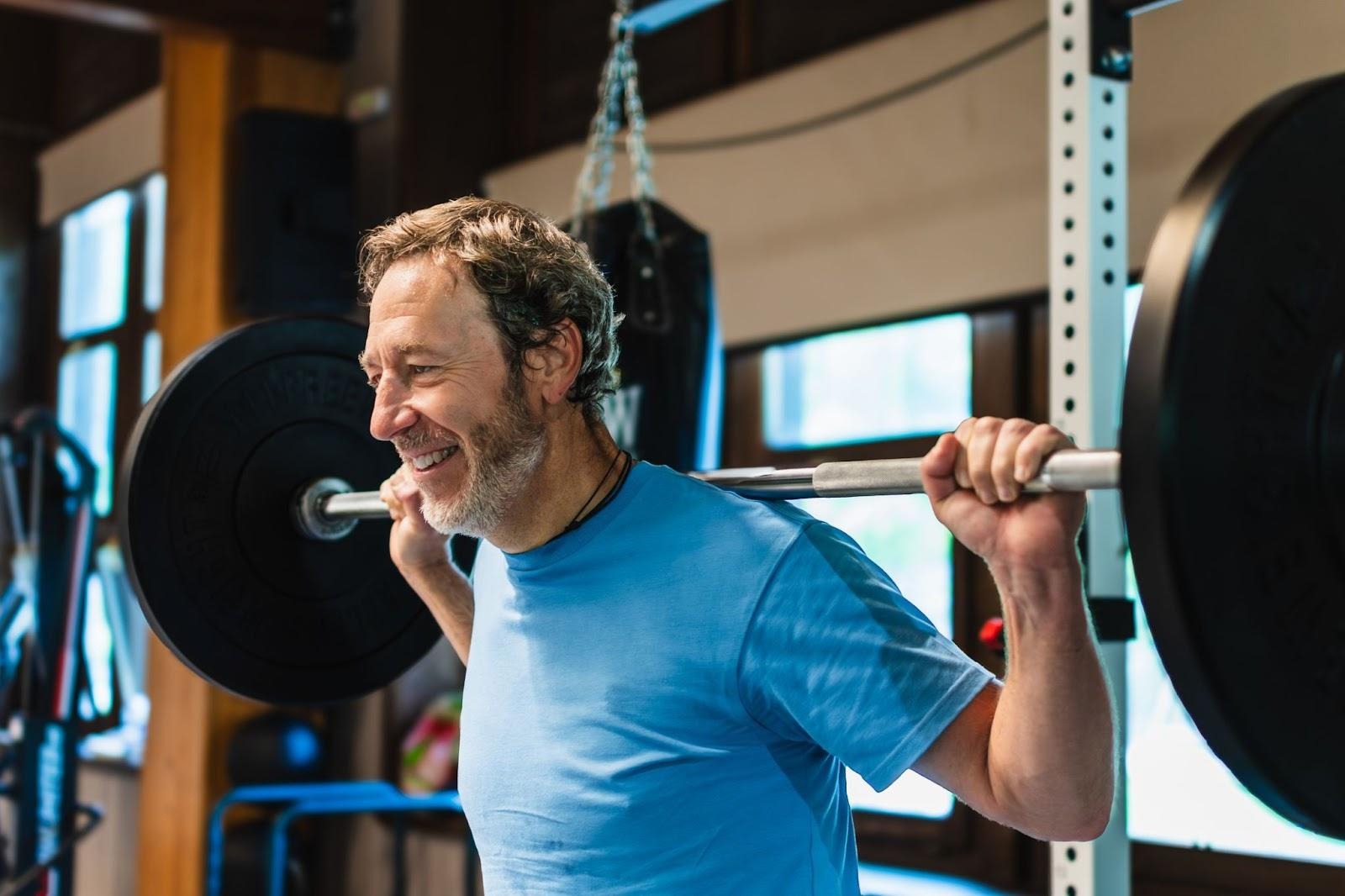
Men might assume that heavy leg day workouts automatically boost testosterone, leading them to push hard on squats and deadlifts regardless of joint health. The research tells a different story. One study on men found that cardiorespiratory fitness showed the strongest positive correlation with testosterone levels, not resistance training alone.
Body and abdominal fat percentages, meanwhile, showed significant negative correlations with testosterone. What does this mean for your workout routine while on testosterone or when trying to optimize natural levels? Aerobic exercise that reduces fat mass and improves cardiovascular fitness may be more beneficial than focusing exclusively on heavy strength training for testosterone optimization.
This doesn't mean abandoning leg day. Resistance training remains crucial for maintaining muscle mass and preventing sarcopenia. But the smartest approach combines both elements.
Building Your Recovery-focused Workout Routine
A weekly workout plan that supports recovery while building strength requires structure. The American Heart Association recommends at least 150 minutes per week of moderate-intensity aerobic activity or 75 minutes per week of vigorous aerobic activity, combined with muscle-strengthening activities on at least two days per week.
For men over 40, this framework works well when modified with recovery in mind.
- Split your strength training between an upper body workout on one day and a leg day workout on another
- Allow 48-72 hours between sessions targeting the same muscle groups
- Focus on moderate loads with rep ranges between 8 and 15 rather than constantly chasing one-rep maxes that stress the joints
Avoid ballistic movements and exercises that place the shoulders in mechanically risky positions. Heavy barbell lifts increase joint stress, while dumbbells, cables, and machines allow similar muscle activation with more joint-friendly movement patterns.
Consistency trumps intensity. Show up regularly, complete quality work, and give your body time to adapt. This approach builds more sustainable strength than sporadic high-intensity sessions that leave you nursing injuries.
What Helps Sore Muscles After a Workout?
When soreness sets in from a tough workout:
- Try active recovery: A brisk walk or easy cycling session the day after hard training often reduces soreness more effectively than complete rest
- Prioritize protein: 20-35 grams per meal supports muscles
- Stay hydrated: Water helps flush metabolic waste from worked muscles
Care for a Pulled Muscle
If you feel sudden, sharp pain during exercise, treat it as an acute injury:
- Stop immediately: Don't try to push through sharp pain
- Ice for 15-20 minutes: Apply several times during the first 48 hours to manage inflammation
- Avoid heat initially: Heat increases swelling in the first two days
- Gentle movement after 48 hours: Stay within pain-free ranges to maintain mobility
Persistent pain or significant functional limitations warrant professional evaluation. Physical therapy can address underlying movement patterns or strength imbalances that contributed to the injury while designing a structured return-to-activity protocol.
Your March Madness Game Plan

This tournament season, approach your training like a championship team approaches the bracket. Have a strategy. Make adjustments. Play the long game.
Assess Your Current Training Approach
Start by evaluating your current weekly workout plan honestly. Are you training like you want to become an athlete at 22, or training smart for sustainable strength at 40-plus? If you're experiencing chronic soreness, struggling with recovery, or dealing with recurring minor injuries, your program needs modification rather than more intensity.
When to Consider Testosterone Testing
Consider testosterone testing if you're consistently fatigued despite adequate sleep, struggling to maintain muscle mass despite regular strength training, or if you’ve noticed significant declines in recovery capacity. Low testosterone isn’t always the reason for poor recovery, but addressing it can remove one barrier to progress.
Schedule Smart, Not Just Hard
Schedule your hardest training sessions on days when you have time for proper nutrition and rest afterward. Save lighter active recovery work for busy days.
This March Madness season, let the tournament remind you that sustained performance over time beats occasional heroic efforts that leave you injured and unable to train consistently.
Build your recovery strategy now, and you'll still be training strong when the nets come down and the championship is decided.
Want to learn more about testosterone’s role in men’s health? Sign up for our newsletter for expert tips and insights.