.svg)


.svg)
Every February 4th, World Cancer Day reminds us to confront the fears and misconceptions surrounding cancer. For men considering or currently using testosterone replacement therapy (TRT), one question looms larger than almost any other: does TRT cause cancer?

It's a legitimate concern. Prostate cancer is the second leading cause of cancer death in American men, with roughly 1 in 8 men receiving a prostate cancer diagnosis during their lifetime. When you're introducing hormones into your body, understanding the relationship between testosterone and prostate cancer becomes essential.
Based on current research, TRT does not appear to increase a man's risk of developing prostate cancer. This conclusion represents a significant shift from decades-old assumptions and is supported by substantial recent evidence, including one of the largest and most rigorous studies ever conducted on TRT safety.
Let's examine what the science actually shows about TRT and prostate cancer.
The TRAVERSE Study: Landmark Evidence on TRT Safety
The most comprehensive evidence comes from the TRAVERSE study, a major study published in JAMA Network Open, which examined prostate safety events during testosterone replacement therapy in men with hypogonadism. This wasn't a small pilot study. It was a large-scale, rigorous investigation specifically designed to assess whether TRT increases cancer risk.
The study found no significant increase in prostate cancer diagnosis among men receiving TRT compared to those not receiving treatment.
Previous concerns about testosterone and prostate cancer were based largely on theoretical reasoning rather than robust clinical evidence. The TRAVERSE study provided what was missing: actual data from over 5,000 men receiving testosterone treatment over an extended period, with careful monitoring for cancer development.
Testosterone's Paradoxical Effects
While the TRAVERSE study demonstrated that TRT doesn't increase cancer risk, research from Duke University revealed something even more surprising about the relationship between testosterone and prostate cancer.
Duke researchers solved what scientists call testosterone's "paradoxical effects" on prostate cancer. Their work revealed that low testosterone actually creates a more permissive environment for prostate cancer development and progression, while adequate testosterone may provide protective effects.
The 2024 study published in Nature Communications explains the mechanism at the cellular level. The research showed that testosterone influences how prostate cancer cells respond to therapy and how aggressive they become. Contrary to older models that assumed more testosterone equals more cancer growth, very low testosterone levels may actually promote more aggressive cancer biology in certain contexts.
This doesn't mean that flooding your body with testosterone prevents cancer. Rather, it suggests that maintaining testosterone within normal physiological ranges doesn't fuel cancer development the way medical professionals once feared.
What Leading Cancer Centers Say
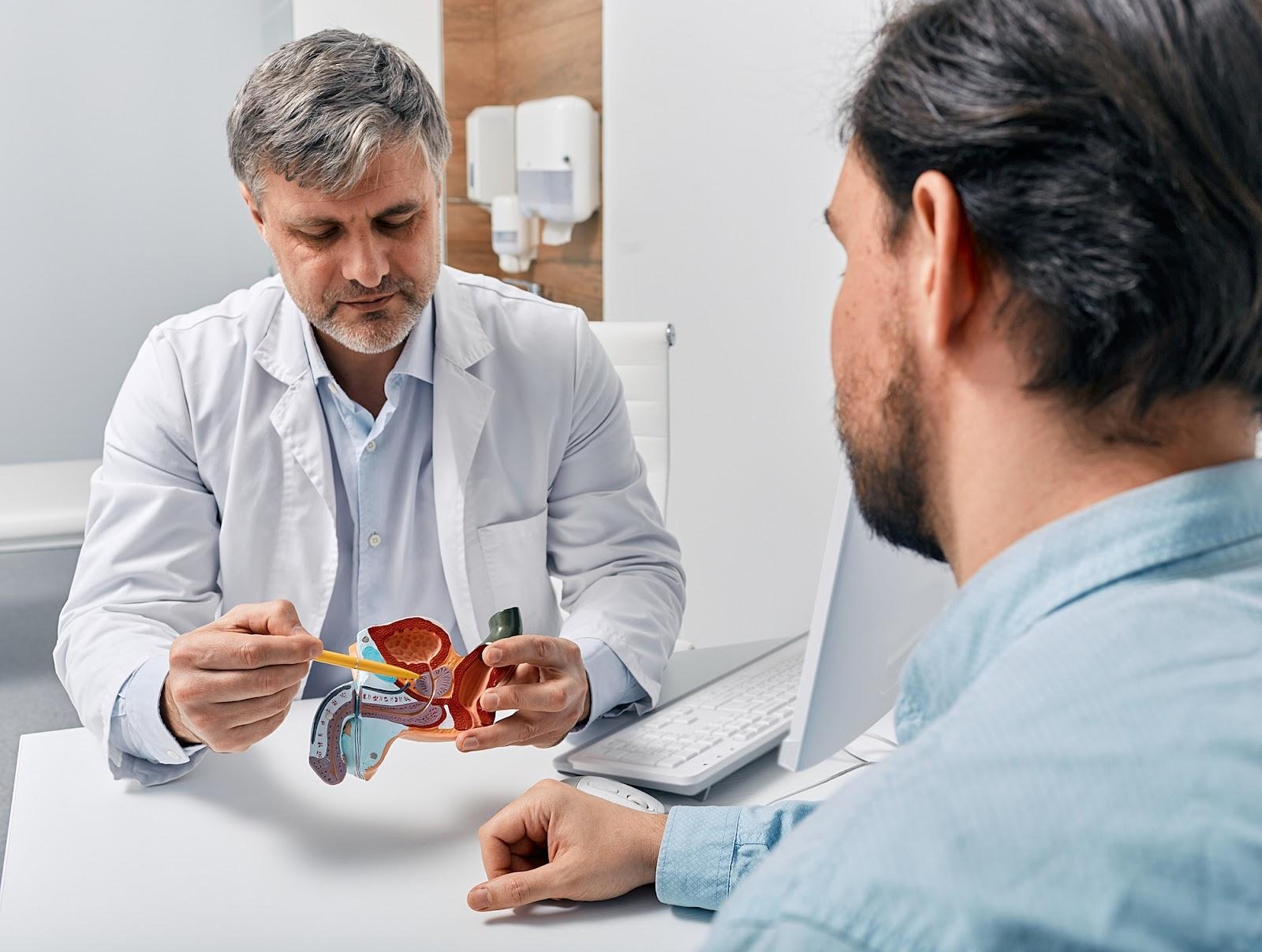
MD Anderson Cancer Center, one of the world's premier cancer treatment institutions, agrees that current evidence does not support the notion that testosterone replacement therapy causes prostate cancer in men with normal prostates. In fact, in a 2025 article, they said, “...if you are undergoing [TRT]...rest assured: you don’t need to worry that you’re increasing your cancer risk.”
Understanding the Nuance: Existing Cancer vs. Cancer Risk
Here's the critical distinction that often gets lost in conversation: testosterone may stimulate the growth of existing prostate cancer cells, but it does not appear to cause cancer to develop in the first place.
Think of it this way: testosterone is like fertilizer. If you have weeds (cancer cells) in your garden, fertilizer will make them grow faster. But fertilizer doesn't create weeds. It doesn't transform healthy grass into weeds. It simply provides nutrients that both healthy and unhealthy cells can use.
This is why testosterone can be problematic for men with existing prostate cancer while not causing cancer in men with healthy prostates. For men with diagnosed prostate cancer, particularly in advanced stages of prostate cancer or with metastatic prostate cancer, doctors may use androgen deprivation therapy to deliberately lower testosterone levels. This treatment approach works by removing the hormone that cancer cells can use for fuel, effectively starving the existing cancer.
However, using androgen deprivation therapy to treat existing cancer doesn't mean that normal testosterone levels cause cancer. It means that once cancer exists, especially in advanced stages, removing testosterone's growth-promoting effects becomes a therapeutic tool.
This is why proper screening before starting TRT matters.
The Monitoring Protocol: What Responsible TRT Looks Like
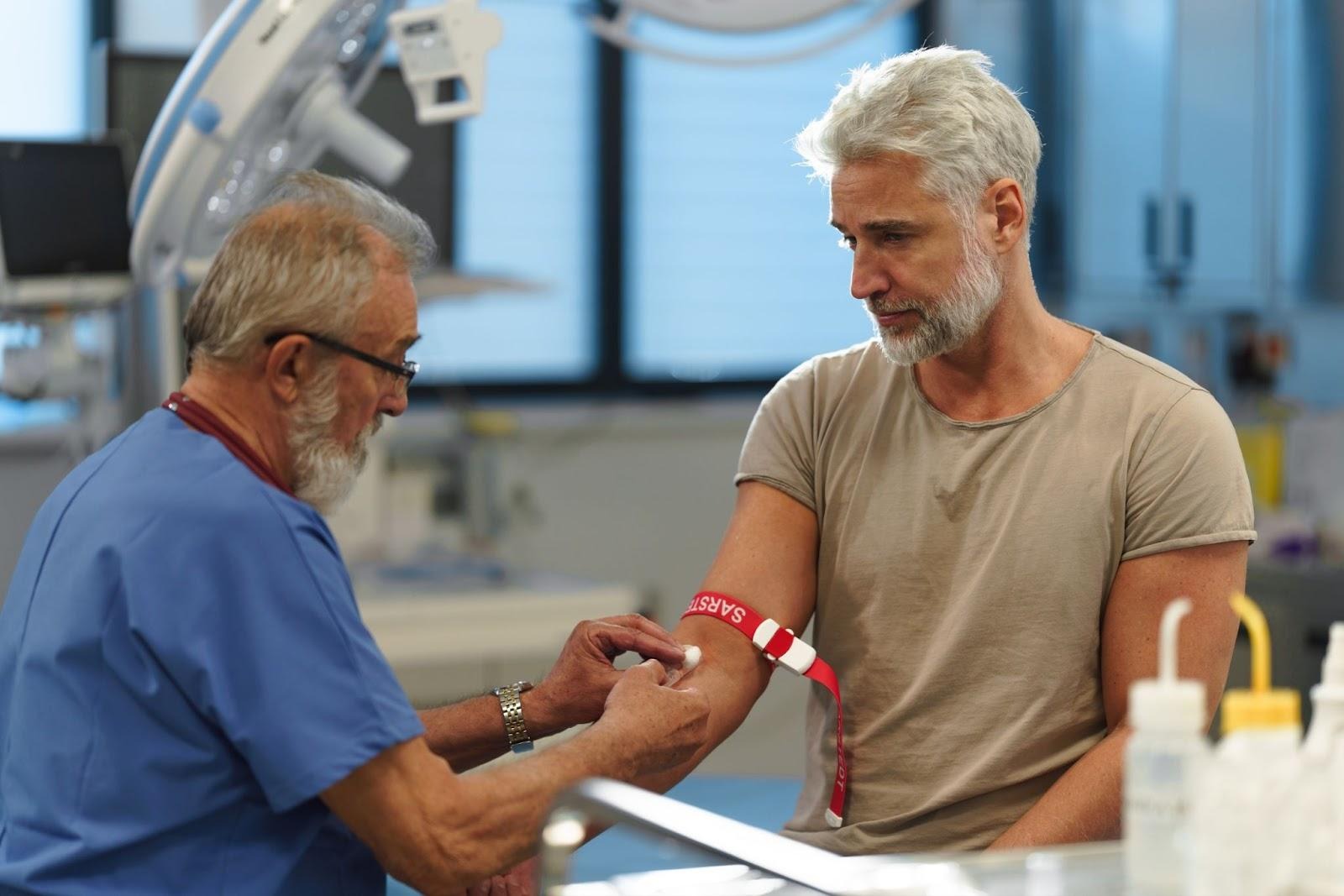
Men considering testosterone replacement should undergo prostate cancer screening appropriate for their age and risk factors. Standard monitoring during TRT includes:
- Baseline PSA testing before starting therapy. This establishes your normal level and provides a comparison point for future tests.
- Regular PSA monitoring during treatment. Most protocols call for checking PSA levels at 3 months, 6 months, and then annually. Significant increases warrant investigation.
- Digital rectal exams, as recommended by your healthcare provider based on age, risk factors, and PSA trends.
How to Avoid Prostate Cancer

Many risk factors, such as age, race, and family history, are out of your control, meaning there is no sure way to prevent prostate cancer. However, the American Cancer Society shares some factors that may help lower your risk:
Body Weight and Physical Activity
Men with excess body weight have a higher risk of developing advanced prostate cancer or prostate cancer that is more likely to be fatal. While the effects of body weight and physical activity on prostate cancer risk aren't completely clear, maintaining a healthy weight and staying physically active are recommended.
Diet and Nutrition
The best advice about diet to possibly reduce prostate cancer risk includes getting to and staying at a healthy weight, being physically active, and following a healthy eating pattern. This means eating a variety of colorful fruits and vegetables and whole grains while avoiding or limiting red and processed meats, sugar-sweetened beverages, and highly processed foods.
Vitamins and Supplements
Some early studies suggested that taking vitamin E or selenium supplements might lower prostate cancer risk. However, a large study called the Selenium and Vitamin E Cancer Prevention Trial (SELECT) found that neither supplement lowered prostate cancer risk. In fact, men taking vitamin E supplements had a slightly higher risk of prostate cancer.
Before starting any vitamins or supplements, talk with your doctor about both potential risks and benefits.
Appropriate Screening
Early detection remains crucial. Men should discuss prostate cancer screening with their doctor based on age, family history, and individual risk factors. Regular monitoring allows for early intervention when treatment is most effective.
What World Cancer Day Teaches Us
World Cancer Day exists partly to combat the misinformation and fear surrounding cancer. In the context of TRT and prostate cancer, decades of assumptions based on incomplete understanding created unnecessary fear that prevented men from receiving beneficial treatment.
The current evidence, including the landmark TRAVERSE study, suggests that testosterone replacement therapy, when properly prescribed and monitored, does not cause prostate cancer in men with healthy prostates. For men with existing prostate cancer, particularly advanced or metastatic disease, testosterone remains contraindicated because it can stimulate cancer cell growth.
This distinction matters enormously. Men suffering from genuine testosterone deficiency shouldn't avoid treatment based on outdated fears, but they should receive treatment from knowledgeable providers who understand both the benefits and the appropriate monitoring protocols.
Make Informed Decisions for Your Health
If you're experiencing symptoms consistent with low testosterone (persistent fatigue, reduced libido, difficulty building muscle, mood changes, cognitive fog), the first step is proper testing.
If testing confirms low testosterone and you're considering TRT, discuss prostate cancer screening with your doctor. Establish baseline PSA levels, undergo appropriate physical examination, and ensure no existing prostate issues exist before beginning therapy.
Throughout treatment, maintain regular monitoring. Attend follow-up appointments, complete recommended lab work, and report any concerning symptoms promptly. This vigilance isn't because TRT causes cancer, but because prostate cancer is common enough that appropriate screening benefits all men regardless of testosterone status.
Talk to your healthcare provider about comprehensive hormone testing and prostate screening appropriate for your age and individual risk factors. Knowledge, combined with proper medical oversight, enables the best possible outcomes for your long-term health.
Want to learn more about testosterone and men’s health? Sign up for our newsletter for expert tips and insights sent right to your inbox.