.svg)


.svg)
The weather outside is getting colder, the days are shorter, and you're feeling... off. Maybe you're more tired than usual, struggling to find motivation, or noticing your mood has taken a dip. You might chalk it up to the winter blues or seasonal depression, but there's another possibility worth considering: your testosterone levels might be responding to the season.

Winter fatigue and seasonal mood changes affect millions of people each year, but the connection between cold weather and testosterone is less commonly discussed. Understanding this relationship could be key to feeling better during the darker months.
The Winter-Testosterone Connection
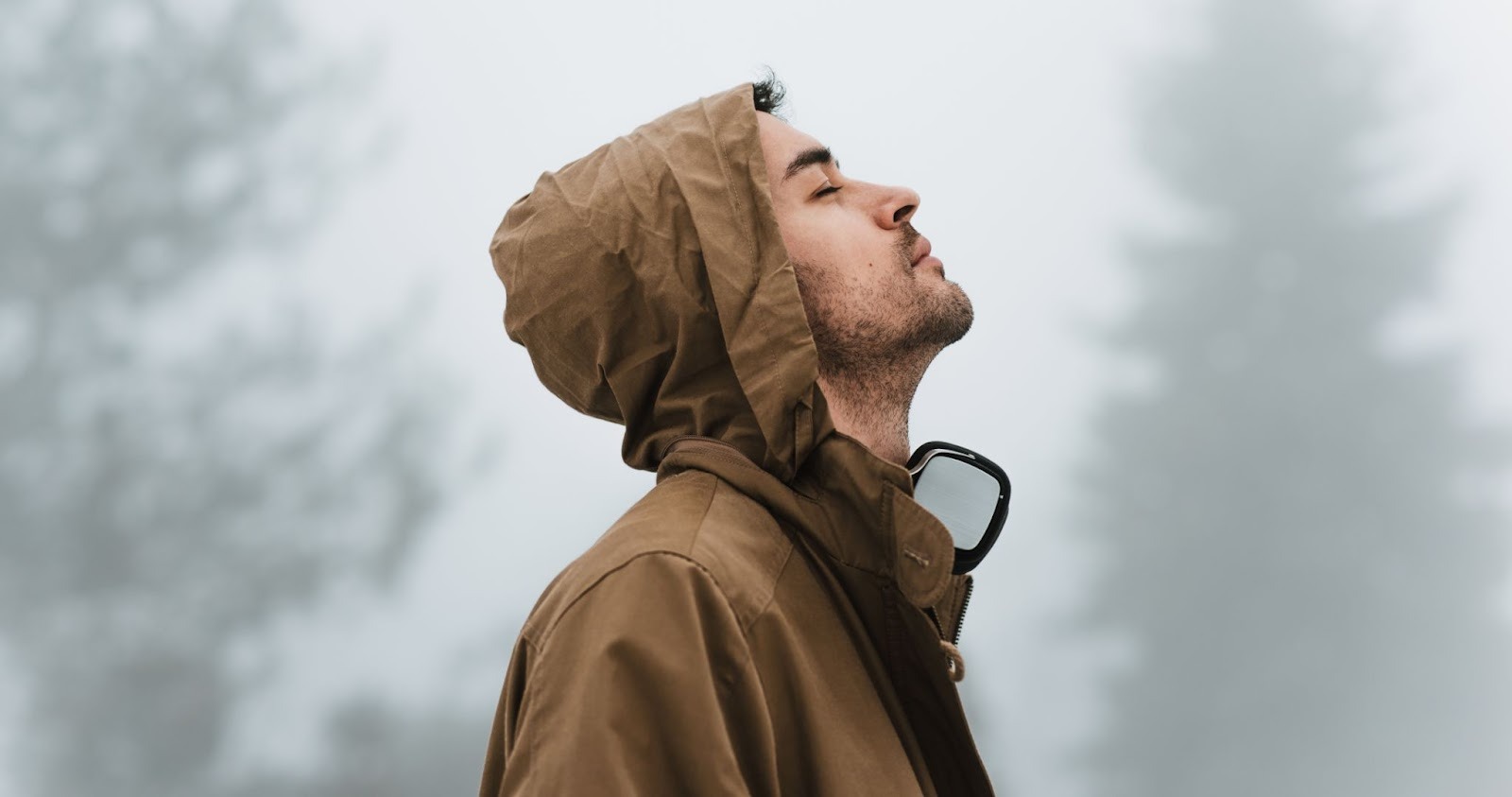
The relationship between seasons and testosterone has been studied for decades, with varying results. While some research shows testosterone peaks in fall, other studies report different patterns throughout the year. A 2016 study published in the Central European Journal of Urology examined how seasonal variation affects sexual behavior and hormone levels in men living in extremely cold climates.
The study followed 80 men aged 20-35 living in Kars, Turkey, one of the coldest regions in Eastern Turkey, where winter temperatures average roughly 3°F in January and 6°F in February. Researchers measured testosterone and other hormone levels twice: once during the coldest months and again during the warmest months (July and August, averaging about 78°F).
The results were striking. Men had significantly lower testosterone levels during cold months compared to summer months (360.2 ng/dL in winter versus 524.2 ng/dL in summer). Although both measurements fell within normal ranges, the seasonal difference was substantial and statistically significant.
Cold Weather as a Physical Stressor
Why would cold weather affect testosterone? Research shows that cold exposure acts as a physical stressor on the body. Just as your body responds to other stressors by altering hormone production, prolonged exposure to cold temperatures can influence the hypothalamic-pituitary-gonadal (HPG) axis, the system responsible for testosterone production.
The study found that men exposed to cold weather for extended periods (at least 60 days) experienced changes beyond just testosterone levels. They also reported:
- Lower sexual desire and frequency of sexual thoughts
- Decreased frequency of ejaculation
- Lower scores on erectile function assessments
- Changes in body mass index
These findings suggest that cold stress doesn't just affect mood; it can impact your entire hormonal system and physical well-being.
How Cold Affects Your Hormones
The mechanism behind cold weather's effect on testosterone involves several pathways:
Stress Response Activation
Research demonstrates that cold exposure activates your body's stress response system. When you're cold, your body releases stress hormones like cortisol and epinephrine. Chronic activation of this stress response can suppress the signals that tell your testes to produce testosterone.
Metabolic Changes
Cold temperatures affect your metabolism. Studies show that low temperatures can slow down enzymatic processes involved in testosterone production. Your body may prioritize immediate survival (staying warm) over reproductive hormone production.
Reduced Physical Activity
Winter weather often means less time outdoors and reduced physical activity. Since research shows that exercise and muscle mass help support healthy testosterone levels, the seasonal decrease in activity could compound the hormonal effects.
Vitamin D Deficiency
Shorter days mean less sunlight exposure and potentially lower vitamin D levels. Studies indicate that vitamin D plays a role in testosterone production, with men who have adequate vitamin D levels showing higher testosterone concentrations.
Seasonal Affective Disorder or Low Testosterone?
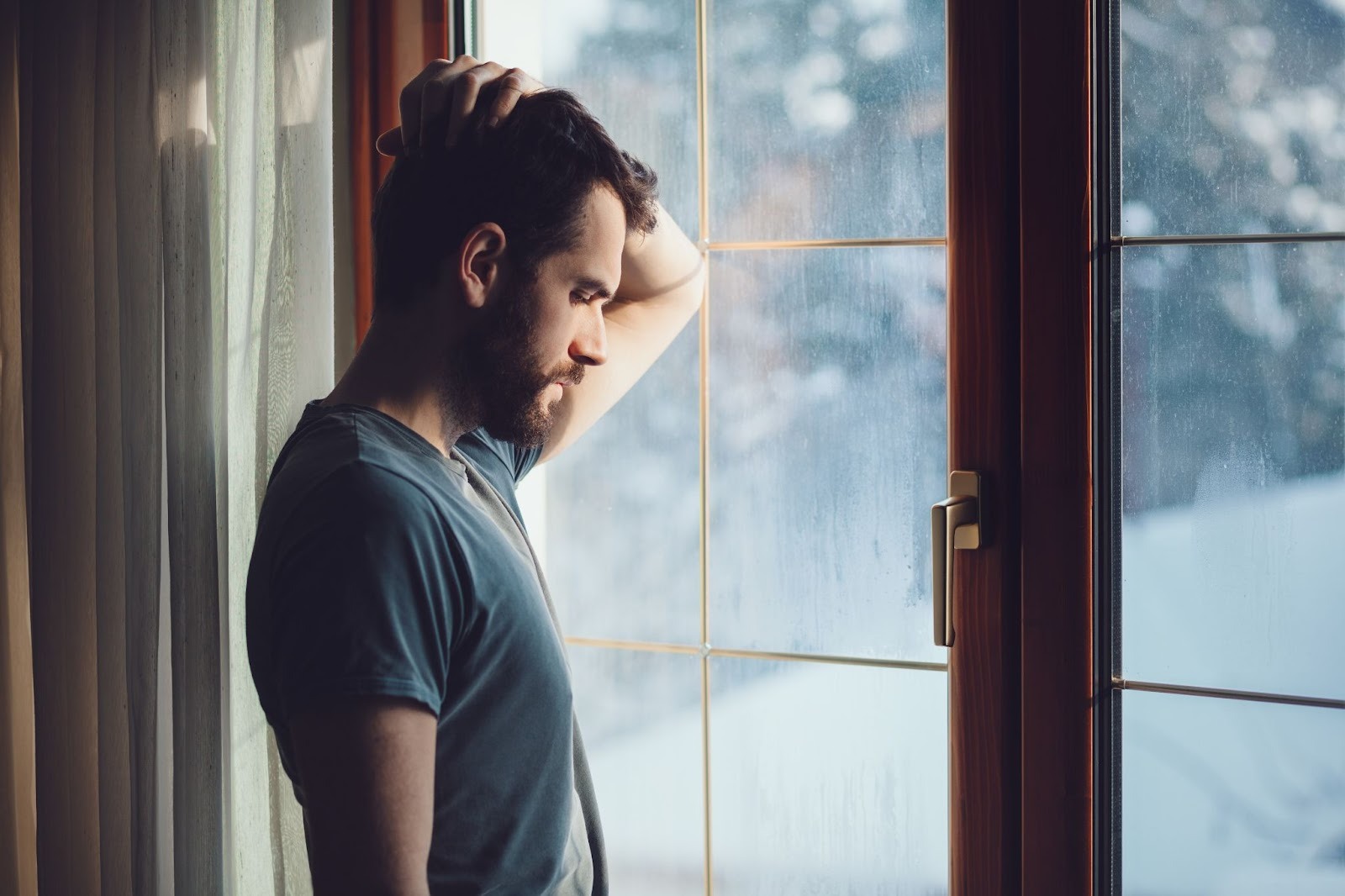
Here's where things get tricky: many symptoms of seasonal affective disorder (SAD) overlap significantly with symptoms of low testosterone. Both conditions can cause:
- Fatigue and low energy
- Decreased motivation
- Mood changes and irritability
- Difficulty concentrating
- Reduced interest in activities you normally enjoy
The winter blues typically include additional symptoms like carbohydrate cravings and weight gain, while low testosterone more commonly presents with decreased muscle mass, reduced libido, and erectile difficulties. But there's significant overlap, making it difficult to self-diagnose.
Beyond the Cold: Other Seasonal Factors
Temperature isn't the only seasonal factor affecting testosterone. The 2016 study in Turkey noted that participants spent significant time outdoors in cold weather, which may have intensified the effect. However, modern life presents a different challenge: people in cold climates often stay indoors during winter, which introduces other variables:
- Reduced sunlight exposure affecting vitamin D production
- Changes in diet during winter months
- Altered sleep patterns due to shorter days
- Decreased social interaction and physical activity
- Changes in circadian rhythms from reduced light exposure
All of these factors may independently affect both mood and hormone production.
The Importance of Testing
Given the overlap between seasonal mood changes and low testosterone symptoms, how do you know what you're dealing with? The answer is straightforward: get tested.
Comprehensive hormone testing and professional interpretation are essential before making decisions about treatment. Ask your doctor for a blood test to measure your testosterone levels and provide clarity about whether hormones are contributing to your winter struggles.
What You Can Do This Winter

Whether you're dealing with seasonal depression, low testosterone, or both, several strategies may help:
Get Adequate Light Exposure
Even on cold days, try to spend time near windows or outdoors during daylight hours. Light therapy lamps designed for seasonal affective disorder may also help regulate your circadian rhythm.
Maintain Physical Activity
Research shows that exercise supports healthy testosterone production. Even indoor activities like resistance training can make a difference.
Support Your Nutrition
Studies demonstrate that adequate dietary fat (roughly 25% of calories) supports testosterone production, while certain micronutrients like zinc, magnesium, and vitamin D play crucial roles in hormone synthesis.
Consider:
- Vitamin D supplementation during winter months (3,000-5,000 IU daily)
- Adequate healthy fats from sources like fatty fish, nuts, and olive oil
- Zinc-rich foods like pumpkin seeds and lean meats
- Magnesium sources, including dark leafy greens and dark chocolate
Manage Stress
Since research indicates that stress suppresses testosterone production, finding ways to manage winter stress becomes doubly important. Techniques like regular exercise, adequate sleep, and social connection all help buffer the effects of seasonal stress.
Monitor Your Symptoms
Keep track of how you're feeling throughout the winter. If your symptoms persist despite lifestyle changes, or if they significantly impact your daily functioning, it's time to talk to a healthcare provider.
Take Action for Your Health
The connection between cold weather, seasonal mood changes, and testosterone is real and measurable. While winter fatigue and the winter blues affect many people, it's worth considering whether hormonal factors might be contributing to your symptoms.
The good news? Both seasonal depression and low testosterone are treatable conditions. Whether you need light therapy, lifestyle modifications, mental health support, testosterone replacement therapy, or a combination of approaches, identifying the root cause is the first step toward feeling better.
This winter, instead of wondering whether you're experiencing low testosterone or seasonal depression, get tested. Understanding your hormonal health gives you the information you need to address what's actually happening in your body.
Want to stay informed about the latest in men’s health and testosterone research? Sign up for our newsletter today.


