.svg)


.svg)
You're exhausted. You can't seem to lose weight no matter how hard you try. Your thinking feels foggy. Your sex drive has disappeared. You've done your research, and everything points to one conclusion: low testosterone.
But what if you're wrong? What if the real culprit is your thyroid?

The symptoms of thyroid dysfunction and low testosterone overlap so dramatically that many men spend months or even years thinking they have the wrong condition. Simple, comprehensive hormone testing can reveal what's really draining your energy, and that revelation can change everything.
The Thyroid-Testosterone Connection Most Men Don't Know About
Your thyroid is a small butterfly-shaped gland in your neck that produces hormones controlling virtually every metabolic process in your body. The primary thyroid hormone, along with T3 and T4 levels, directly influences testosterone production and effectiveness.
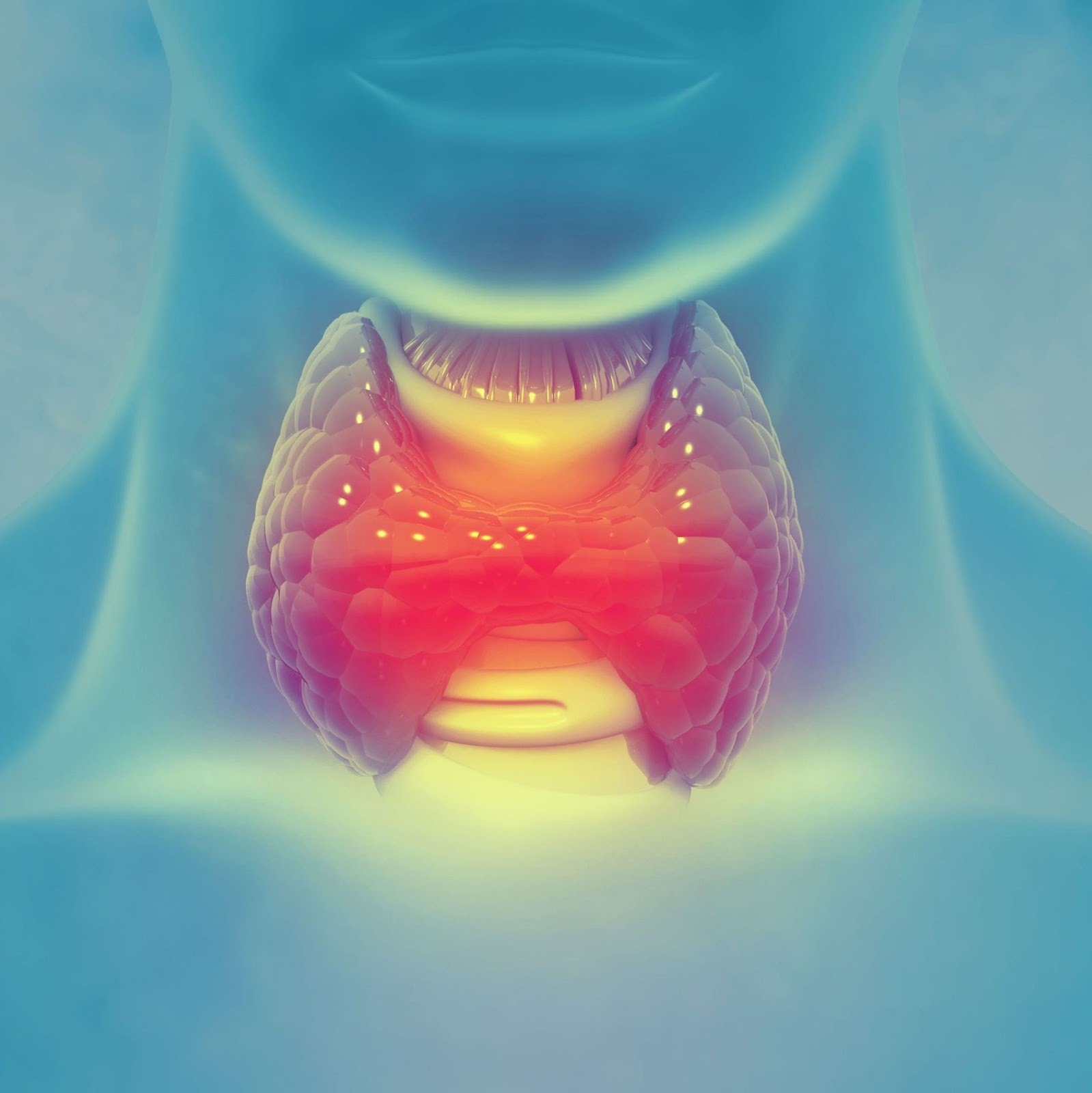
Research on the interrelationships between thyroid dysfunction and hypogonadism confirms that thyroid hormone deficiency affects all tissues of the body, including multiple endocrine changes that alter gonadal function. Men with primary hypothyroidism have been shown to have reduced free testosterone concentrations, which normalize with thyroid hormone replacement therapy.
MedlinePlus explains that thyroid hormones also control the way your body uses energy, affecting nearly every organ in your body, including your breathing, heart rate, weight, digestion, and moods. It essentially sets the speed at which your body burns fuel.
Hypothyroid Symptoms That Mimic Low Testosterone
The overlap between symptoms of low thyroid levels and low testosterone symptoms creates challenges:
- Fatigue and Low Energy: Both conditions cause persistent exhaustion that sleep doesn't resolve.
- Weight Gain: Hypothyroidism slows metabolism dramatically. Low testosterone contributes to increased body fat and decreased muscle mass.
- Brain Fog: Mental clarity suffers with both conditions through different but equally problematic mechanisms.
- Decreased Sex Drive: Both thyroid problems and low testosterone can lower libido.
- Mood Changes: Depression and irritability occur frequently with both conditions.
- Muscle Weakness: Both contribute to decreased muscle mass and strength, making it difficult to determine the root cause without proper testing.
TSH Levels and What They Really Tell You
The thyroid test most commonly ordered is a TSH blood test, which measures thyroid-stimulating hormone produced by your pituitary gland. Normal TSH levels typically fall between 0.5 and 5.0 mIU/L.
However, comprehensive research on testosterone replacement therapy and thyroid function emphasizes a critical point: relying solely on TSH measurement when evaluating men for hypogonadism is one of the most common diagnostic errors.
Here's why: You can have normal TSH levels but still have thyroid dysfunction. This happens with central hypothyroidism, where the problem originates in the pituitary or hypothalamus rather than the thyroid itself. Research indicates that when evaluating for central hypothyroidism, a serum free T4 must be done concomitantly with TSH measurement, as the TSH alone can be misleading.
Comprehensive thyroid testing should include TSH, free T4, free T3, and thyroid antibodies. Some people have adequate T4 but poor conversion to T3, leading to hypothyroid symptoms despite "normal" TSH.
How Hypothyroidism Specifically Affects Testosterone Production
Research demonstrates that men with primary hypothyroidism have subnormal responses of luteinizing hormone (LH) to gonadotropin-releasing hormone (GnRH) administration. This matters because LH is the signal from your pituitary that tells your testes to produce testosterone.
When thyroid hormone is low, this signaling system gets disrupted. Your pituitary doesn't respond appropriately to GnRH, LH production decreases, and testosterone production drops as a result.
However, the good news is that studies show that free testosterone concentrations normalize with thyroid hormone replacement therapy. This means correcting thyroid dysfunction may help restore testosterone levels without direct testosterone supplementation.
Why Men Need Both Thyroid and Testosterone Testing

Given the intricate relationship between thyroid function and testosterone production, men who present symptoms of hypogonadism should undergo a comprehensive evaluation.
Testing only testosterone while ignoring thyroid function can lead to misdiagnosis, ineffective treatment, wasted time and money, and potentially dangerous interventions. Starting testosterone replacement therapy without addressing underlying thyroid issues could stress your system further.
Comprehensive hormone evaluation should include:
- Total testosterone (at least two morning measurements)
- Free testosterone
- TSH, free T4, and free T3
- LH and FSH
- SHBG
- Thyroid antibodies, if thyroid dysfunction is suspected
Treatment Options
Once testing reveals the underlying issues, treatment can be properly targeted. If hypothyroidism is the primary problem, thyroid hormone replacement therapy is straightforward and highly effective. Research confirms that thyroid hormone replacement can normalize testosterone levels in men with hypogonadism secondary to hypothyroidism.
If both conditions coexist, thyroid hormone replacement typically begins first. After thyroid levels stabilize, testosterone is re-evaluated. If it remains low despite optimal thyroid function, testosterone replacement therapy may be appropriate.
Test, Don't Guess
Without testing, you're guessing.
Simple blood tests provide definitive answers. Comprehensive hormone testing reveals exactly what's happening in your body, allowing for targeted, effective treatment. If you have symptoms of low testosterone or hypothyroidism, talk to your doctor about testing and treatment.
Want to stay informed about the latest in men’s health and testosterone research? Sign up for our newsletter today.


